
Rat Infestation Treatment in Columbus
Understanding Rat Infestations in Columbus
Finding rats in your home or commercial property can feel stressful fast. These rodents do not wander in by chance. They search for reliable food sources, water access, and protected shelter. Many Columbus properties unintentionally provide all three. If you hear scratching in the walls, notice droppings near pantries, or smell persistent odors, you likely face an active infestation that needs professional attention.
Effective rat infestation treatment in Columbus goes beyond placing a few traps. Real control requires identifying entry points, understanding rodent behavior, and applying a full strategy that removes the current population while reducing the risk of repeat activity.
Let’s break it down.
Why Columbus Properties Attract Rats
Central Ohio’s seasonal shifts create ideal conditions for rodent activity.
Cold Winters
As temperatures drop, rats move indoors for warmth and shelter. Attics, wall cavities, crawl spaces, and basements become prime nesting zones.
Spring Rains and Flooding
Heavy rainfall can flood burrows and sewer lines, pushing rats toward higher ground. Older neighborhoods and properties with aging drainage systems often see increased activity during wet months.
Warm Summers
Heat drives rats toward shaded structures, HVAC systems, and buildings with steady water access. Restaurants, multi-unit buildings, and properties near alleyways often attract higher traffic.
Areas such as Clintonville, German Village, Short North, and older sections of Linden frequently experience higher rodent pressure due to mature trees, dense housing, and aging infrastructure.
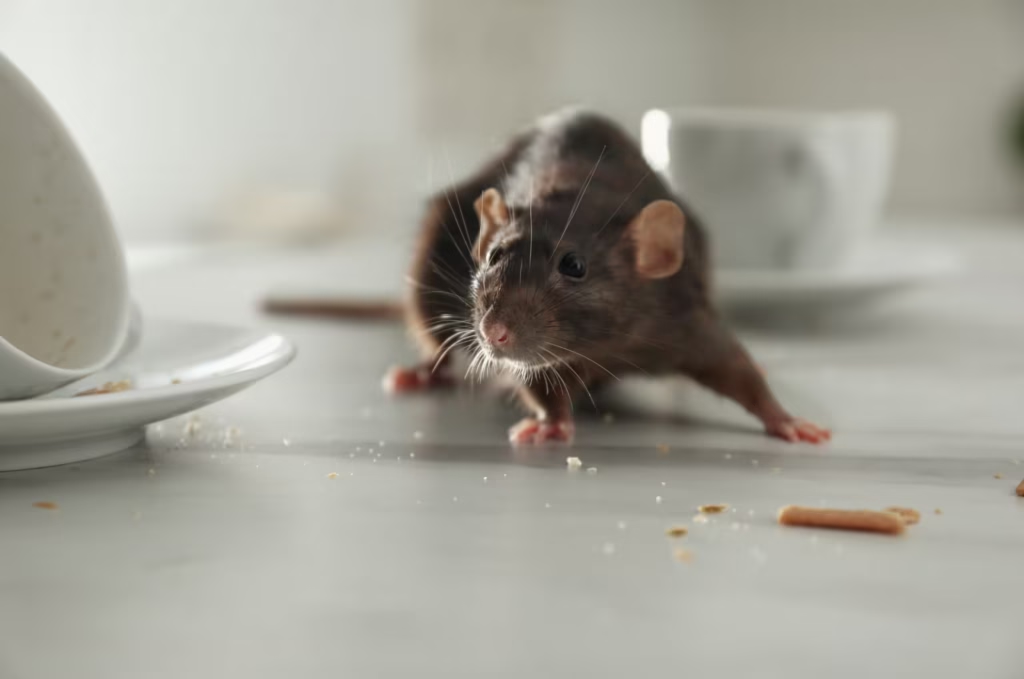
Common Rat Activity Across Columbus Neighborhoods
Older Urban Neighborhoods
Historic homes often contain small gaps, foundation cracks, and utility openings that allow easy access for Norway rats.
Tree-Dense Residential Areas
Neighborhoods with heavy tree cover see more roof rat activity. Branches, fences, and overhead lines act as travel routes into upper levels and attics.
Mixed Commercial Corridors
Retail centers, dumpsters, loading areas, and shared walls create consistent food access and hidden nesting zones.
Each environment requires a tailored treatment plan.
Signs You Need Professional Rat Infestation Treatment
Early detection saves money and prevents structural damage. Watch for:
Droppings and Odors
Fresh droppings appear dark and moist. Strong ammonia smells often signal heavy activity.Gnaw Damage
Chewed packaging, wood, insulation, or wiring can indicate active feeding and nesting.Scratching and Movement Sounds
Noises in walls, ceilings, or attic spaces usually increase during early morning and evening hours.Grease Smears and Runways
Dark streaks along baseboards or walls show repeated rodent travel paths.Nesting Materials
Shredded paper, fabric, or insulation in hidden spaces often means rats have established nests.
If you notice multiple signs, professional rat infestation treatment in Columbus becomes the smartest move.
The Columbus Rat Control Treatment Process
Columbus Rat Control uses a structured, property-specific approach rather than generic solutions.
Detailed Inspection
Technicians examine both interior and exterior areas to locate entry points, nesting zones, moisture sources, and food attractants.
Species Identification
Roof rats and Norway rats behave differently. Proper identification ensures the treatment plan matches travel patterns and nesting habits.
Entry Point Sealing
Rats squeeze through very small openings. Sealing gaps around vents, foundations, siding, and utility lines blocks future access.
Strategic Trap Placement
Traps are positioned along active travel routes rather than randomly scattered. This improves capture speed and effectiveness.
Ongoing Monitoring
Follow-up visits confirm elimination and detect early signs of reinfestation before problems escalate.
Next steps matter.
Seasonal Rat Control Considerations in Columbus
Winter Focus
Cold drives rodents indoors. Sealing and attic protection become critical.
Spring and Fall Moisture Control
Drainage management and exterior inspections prevent forced migrations into buildings.
Summer Activity Management
Warm weather increases outdoor movement and food scavenging, especially near trash areas and gardens.
Adjusting treatment by season keeps results consistent.
Why Professional Treatment Outperforms DIY
Store-bought traps and bait often treat symptoms, not root causes. Without sealing access points and identifying nesting behavior, new rodents quickly replace the old ones.
Professional technicians understand rodent movement patterns, breeding cycles, and structural vulnerabilities. This leads to faster elimination and fewer repeat infestations.
Safety also matters. Improper bait use can create risks for pets, children, and wildlife. Professional handling reduces exposure concerns.
Preventing Future Rat Problems
Long-term protection focuses on eliminating food, water, and shelter access.
Food Control
Use sealed containers, manage pet food carefully, and secure trash storage.
Moisture Management
Repair leaks, improve drainage, and remove standing water around foundations.
Habitat Reduction
Trim vegetation away from structures, reduce clutter, and maintain exterior repairs.
Prevention protects your investment.
Choosing the Right Treatment Strategy
Treatment varies based on infestation severity, building type, occupancy, and rodent species.
Residential properties often benefit from exclusion and targeted trapping. Commercial properties may require higher monitoring frequency and sanitation coordination.
Customized planning delivers better results.
Get Started with Rat Infestation Treatment in Columbus
If you see signs of rodent activity, early action limits damage and keeps costs controlled. Columbus Rat Control provides comprehensive rat infestation treatment in Columbus designed to remove active populations and reduce long-term risk.
Fast response prevents small problems from turning into major infestations. A structured treatment plan restores comfort, protects property, and delivers lasting peace of mind.